
New to Gardening? Plan, Start Small, and Enjoy the Journey
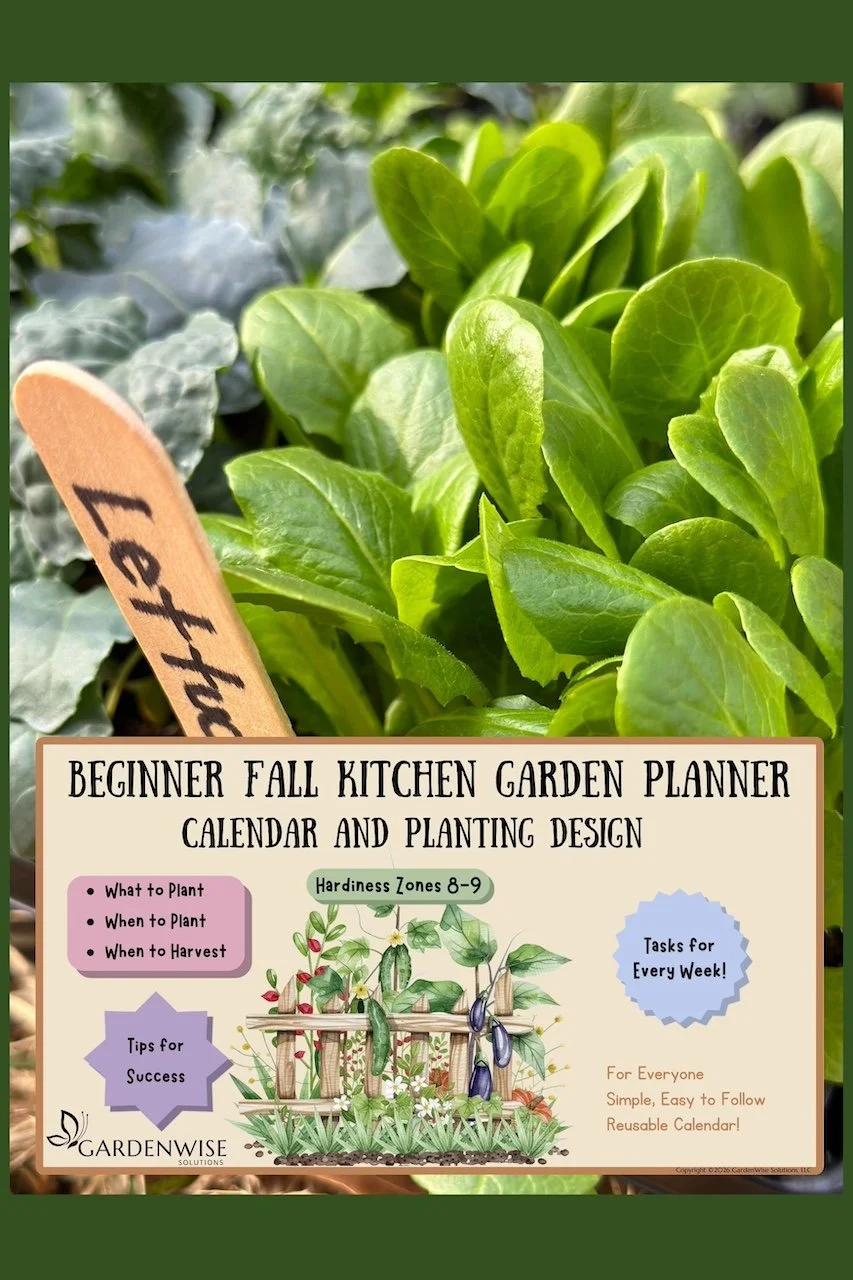
If you've been thinking about starting a kitchen garden (vegetables, herbs, or a little bit of both), now is a great time to start! Fall is one of the best, and one of my favorite, times to plant. As the days get shorter and cooler, the vegetables don't struggle as much. And as a gardener, there is less of a struggle to keep things watered and happy. Fall is like the golden hour of gardening: especially where I am in Hardiness Zones 8–9. The temperatures are friendlier, the plants are happier, and frankly, the gardener is happier too.
So, if you're a new vegetable gardener, where do you start?
First, Start With the Right Mindset
Before you buy a seed packet, a shovel, or 14 different varieties of lettuce that you absolutely do not need, let's talk about mindset. Gardening is as much about planting the seed and tending the plants, as it is about harvesting the fruit. As has been said countless times, it's about the journey.
I like to have a mindset of curiosity.I have decades of gardening experience, and yet every planting season is different. The weather is never exactly the same. The soil changes over time. The insects have good and bad seasons, too.
And sometimes the squirrels are particularly involved.
There will always be variables that can change an outcome that I expect in the garden. So, realize that with all the information you acquire on TikTok, Instagram, or Facebook about gardening, you can do everything right, and still not get the harvest you desire. I know. That's not exactly what you wanted to hear! But it's actually good news. Gardening isn't a test where you either pass or fail. It’s an experiment. Some things will grow beautifully. Some things won't. Some plants will surprise you. Others will mysteriously disappear overnight, possibly with the assistance of a squirrel.
Enjoy the journey, the process, and the learning that you are embarking on.
Once we have the right mindset, now we can get down to the planning and dirty details.
Location, Location, Location
Location is probably the most important thing to consider when starting a kitchen garden. When we consider location, we must consider three things:
☀️ Sun
💧 Water
🌱 Soil
Let's take them one at a time.
1. Sun
Most vegetables need at least six hours of sunlight, but they thrive with 8–12 hours of sun. Morning sun and some afternoon shade is optimal, but not necessary. Before you decide where to put your garden, spend a little time watching how the sun moves across your yard. That beautiful shady corner may be perfect for your patio chair, but your tomatoes probably aren't going to be impressed.
2. Water
Access to water is important to consider. Who wants to slog water 100 feet every day?
Not me!
Having access to a hose that's easy and convenient will make everything about gardening more pleasant. If you have to drag a hose through the house, around the dog, over the patio furniture, and across three flower beds just to water your lettuce, you're probably going to lose enthusiasm pretty quickly.
If you'd like to delve into drip irrigation and automation, that's an even easier avenue to take once you have it set up. Of course, there is also a learning curve. But that's gardening. There's always something new to learn!
3. Soil
This one can be tricky. The big-box stores have many options, but they aren't always the best option for your particular area. Consult your local nursery. They are usually staffed with gardeners who live and garden in your area and ‘know’ where the best soil can be bought or acquired. For a raised bed, a good blend of approximately one-third topsoil, one-third sand, and one-third compost can provide good drainage while also feeding your plants.
If you're starting with small containers, find a potting mix. And remember, potting mix and garden soil aren't the same thing. Your container plants will thank you for using the right material.
Now that the garden is set up and ready go, what do you plant? When do you plant it?
Check out my Beginner Fall Kitchen Garden Planner! It gives you an easy to follow garden plan and design. It maps out what vegetables thrive in the fall, when to plant them and when to harvest them. I have also included tips for success to help you along the way.
The Joy of Caring for Something
What I hope you'll find through gardening is that a little bit of caring for a plant can bring you joy. Yes, joy! There is something surprisingly satisfying about noticing a seedling popping up through the soil, or seeing the first tiny flower on your pea plant.
Slow down and pay attention!
Humans are wired to care for things. We get a small dose of oxytocin—the hormone associated with bonding and positive feelings—when we care for someone or something. We're not just growing plants. We're practicing care. Soak up the good hormones. And in a world that moves incredibly fast, having something that asks us to slow down, pay attention, and nurture it can be a pretty wonderful thing.
Remember, your garden doesn't have to be perfect. There will be pests. There will be weather. There will be plants that don't make it. There will be days when you forget to water. There will probably be something that eats the thing you were most excited about growing.
That's gardening.
Don't let the perfect gardens you see online convince you that you're doing it wrong. Your garden is supposed to be yours. Start with curiosity. Pay attention. Learn from what happens. Try again. And enjoy the journey. Because sometimes the greatest harvest isn't what's sitting in your kitchen at the end of the season. Sometimes it's the little bit of joy you found along the way.
🌿 GardenWise Thought
Gardening isn't about getting everything right. It's about paying attention, staying curious, and being willing to try again. Start with one seed, one pot, or one little patch of soil—and see where the journey takes you.