
10 Things to Do Now to Get Your School Garden Ready for Fall
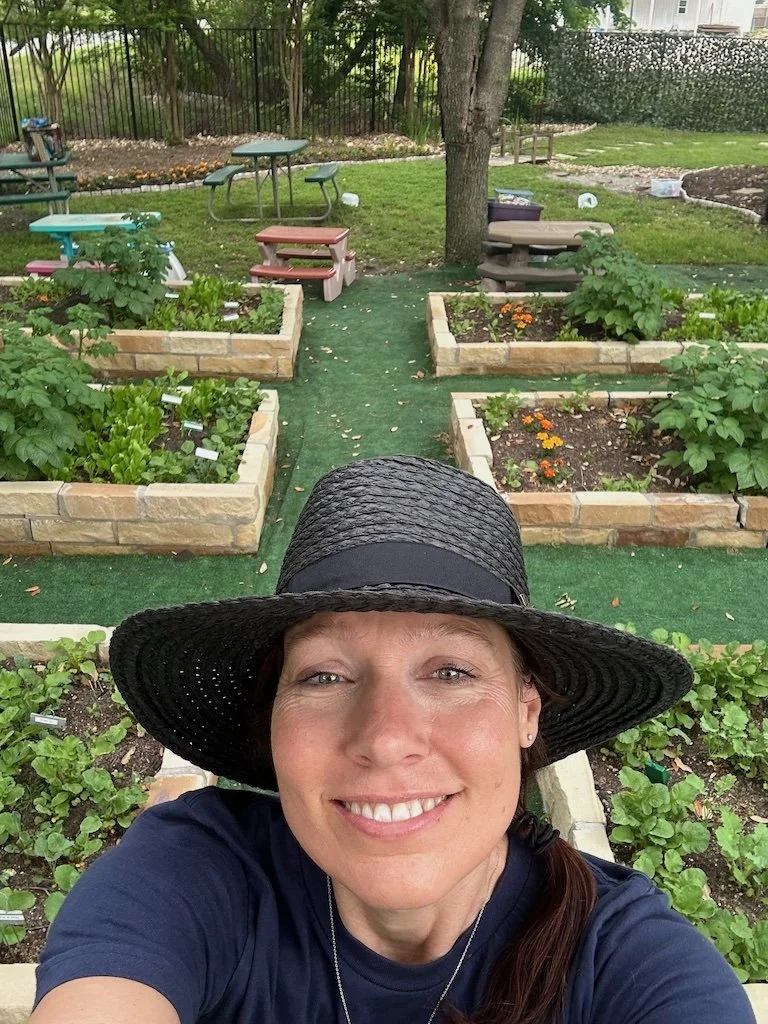
Summer break may be winding down, but for school gardens, the best season is just beginning! Fall is one of the most productive times to grow vegetables, flowers, and excitement. Spending a little time preparing your garden before students return will set everyone up for a successful growing season.
Whether you have a few raised beds or an entire outdoor classroom, here's a simple checklist to help you get your school garden back into shape. You can find a free digital download of the School Garden Fall Checklist here.
School Garden Fall Checklist
1. Clean Up Garden Beds
Remove weeds, dead plants, fallen fruit, and any diseased plant material. A clean garden is healthier and gives students a fresh place to begin.
2. Test and Refresh the Soil
Healthy soil grows healthy plants. Add compost or organic matter, loosen compacted soil, and top off raised beds if needed.
3. Check Your Irrigation
Run your drip system or hoses before school starts. Repair leaks, replace clogged emitters, and make sure timers are programmed correctly.
4. Inspect Raised Beds and Structures
Tighten loose screws, replace broken boards, repair trellises, and make sure pathways are safe for little feet.
5. Create a Planting Design and Plan.
Choose crops that students can watch grow and harvest during the school year. Leaf lettuce, radishes, carrots, broccoli, kale, snap peas, herbs, and colorful flowers are all excellent choices. (Or use my design plan here.)
6. Create a Fall Gardening Calendar.
Create lessons and plan out when those lessons will be taught during the semester. Also map out what week each vegetable needs to be planted and harvested. (Or use my lessons and calendar here.)
7. Acquire seeds.
A good place to start is your local nursery. Ask for vegetable varieties that do well in your area.
8. Organize Garden Tools
Sharpen pruners, clean hand tools, label supplies, and replace anything that's missing. An organized tool shed makes every garden lesson run more smoothly.
9. Prepare Student Learning Areas
Refresh signs, labels, observation journals, and outdoor seating areas. Think about how students will move through the garden and where they'll gather for lessons.
10. Celebrate the New Season!
Hang a welcome sign, plant something colorful near the entrance, and get excited! The garden is more than a place to grow vegetables—it's a place where curiosity, confidence, and lifelong memories take root.
Growing More Than Plants
One of the greatest joys of a school garden is watching students return after summer and discover how much nature has changed. Seeds become seedlings, flowers attract butterflies, and tiny discoveries become lifelong lessons. A well-prepared garden invites children to ask questions, explore with their senses, and develop a deeper connection to the natural world.
A little preparation now means less stress later—and more time spent learning, harvesting, and enjoying the garden together.
GardenWise Thought
The first seeds you plant this fall aren't vegetables—they're curiosity, responsibility, and wonder. Tend those well, and the harvest will last a lifetime.
Ready to start your school's fall garden? GardenWise Solutions can help with garden planning, curriculum ideas, seasonal planting schedules, and hands-on support to make your school garden thrive all year long.